



What Happens When Your Agency Helps Shape the Tools It Relies On?
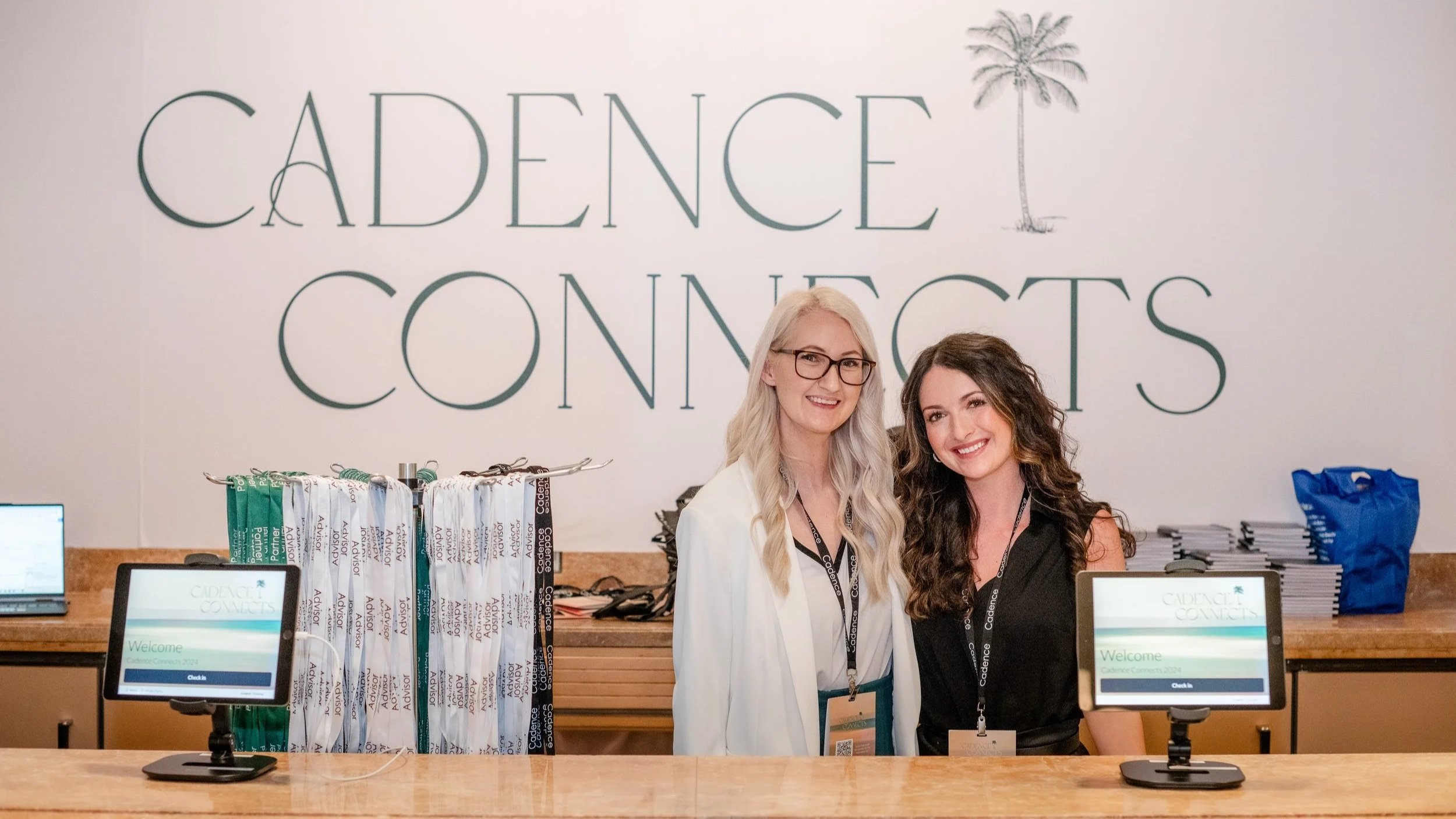
Technology is Only as Powerful as the Team Behind It
Technology continues to transform the meetings and events industry. New tools, new capabilities, and new ways to create more seamless attendee experiences are emerging faster than ever.
At Cadence, we believe staying ahead of that evolution requires more than simply investing in great technology. It requires investing in the people who understand it, challenge it, and know how to turn its capabilities into meaningful results for our clients.
That is why we are especially proud to celebrate two members of the Cadence team, Ashley Cartier and Jillian Pahren, who were recently recognized as Top Cvent Power Users following a competitive build-off designed to test participants' ability to create real-world event solutions.
It is an impressive accomplishment for Ashley and Jillian, but more importantly, their recognition represents something much bigger about the way Cadence approaches technology.
More Than Power Users
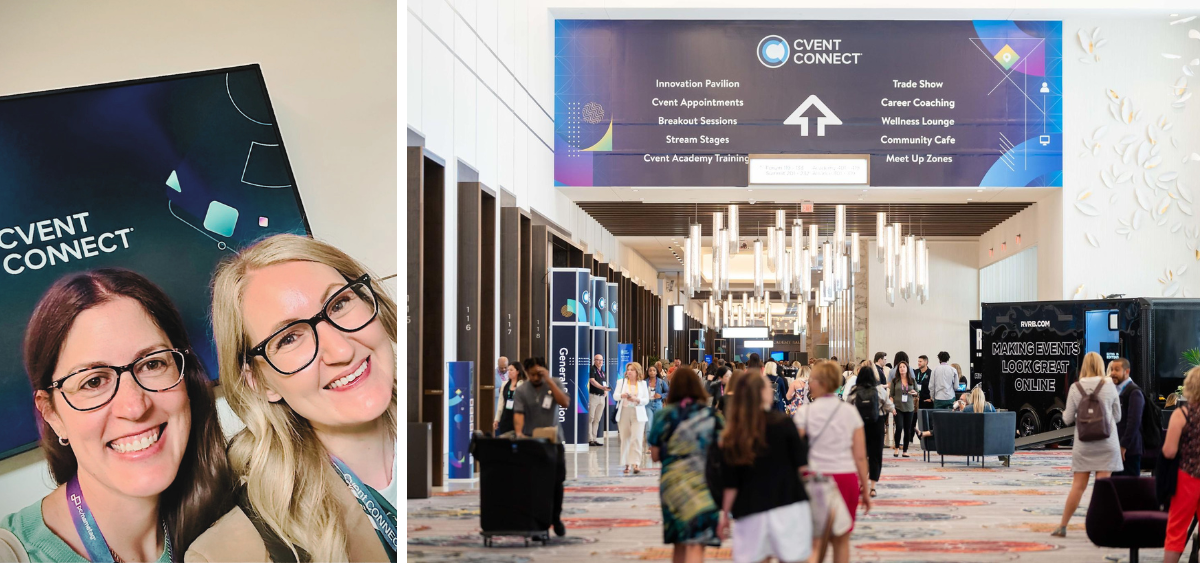
Being a Cvent Power User isn't simply about knowing where to click or understanding a platform's features. It means having the expertise to think beyond the standard functionality. At Cadence that means going above and beyond to problem-solve, find efficiencies, challenge what's possible, and build solutions around the needs of real clients and attendees.
Ashley and Jillian demonstrated exactly that.
Their recognition reflects the level of expertise we strive to build across our Meetings + Incentives team: people who don't just use technology, but understand how to make it work harder and smarter for our clients.
Because ultimately, our clients aren't looking for a technology platform. They're looking for an outcome.
They want an intuitive registration experience. Accurate data. Clear communication. Efficient processes. Fewer manual touchpoints. Faster answers. And an experienced team that knows what to do when something doesn't go exactly as planned.
The technology enables those things. Our people make them happen.
Big Conversations at Small Tables

Most agencies interact with Cvent the way most of us interact with our phones: we use the features we know, ignore the ones we do not, and file a complaint when something breaks. We understand that approach. Time is limited. But it comes at a cost.
Cadence team members regularly participate in industry conversations, small group roundtables and feedback sessions with Cvent partners, and engaging directly with the people devloping and evolving the technology. We are not passive observers in those rooms. We are contributors. Those conversations give us an opportunity to share what we’re seeing in the real world, what’s working, where there are gaps, and what our clients and meeting professionals need next.
That involvement is being recognized, too. Ashley was also recently nominated as a Cvent Game Changer, an honor recognizing her engagement, leadership and contributions within the Cvent Community throughout 2026. From completing certifications and engaging in education to participating in Open Questions and advocating for better solutions, the recognition reflects the same commitment to staying close to the technology and the conversations shaping its future.
For us, the value of being in the room is what we are able to bring back to our clients. That involvement gives us greater visibility into where meeting technology is headed and an opportunity to advocate for solutions that address the challenges our clients face every day.
Just as importantly, it keeps our team learning.
Technology doesn't stand still, and neither can we. Staying closely connected to our technology partners helps our team continually expand its expertise, evaluate new capabilities, and determine where innovation can genuinely improve a client's program rather than simply adding another shiny new feature.
What Does that Mean for Our Clients?
This is where accolades like Ashley and Jillian's become more than something we're proud to celebrate. Their expertise, and the expertise we're continually developing across Cadence, directly impacts the experience our clients receive.
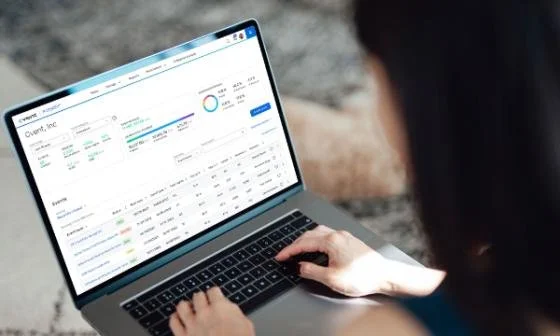
It means having a team that can look at a program and identify opportunities to make registration more intuitive or workflows more efficient. It means knowing how to configure technology around the unique needs of a program instead of forcing a program into a one-size-fits-all solution. It means being able to troubleshoot faster because our team deeply understands the platform they're working within.
And it means having a partner who can help clients navigate what's next.
There will always be another technology release, another integration, another AI capability, and another platform promising to transform the meetings industry. Our role isn't simply to introduce clients to every new tool available. Our role is to understand those tools well enough to know which ones matter, where they can add value, and how to implement them thoughtfully.
The People Behind the Platform
We are incredibly proud of Ashley and Jillian for earning recognition as Cvent Power Users. Their accomplishment represents their individual talent and dedication, but it also reinforces something we believe deeply at Cadence: Great technology doesn't replace great people. Great people make technology better.
Our partnerships with technology providers like Cvent give us access to powerful tools, continued education, industry insight, and opportunities to help influence the future of meeting technology.
But the real value for our clients comes from the team standing behind those tools. They are the people asking the right questions, anticipating challenges, finding better ways to work, and translating technology into an experience that feels seamless for planners and attendees alike.
That's what technology partnership means to us.
It's not about having the newest platform or the longest list of features. It's about combining the right technology with the right people to create smarter processes, stronger programs, and better experiences.
And that is something we're very proud to have built at Cadence.