



Why the Best Incentive Programs Are Heading to Sea
Every incentive program is built to answer one question: Did our people feel like they earned something special?
For Jennifer Kijewski, Account Manager, Meetings + Incentives here at Cadence, a cruise can offer a compelling answer. With firsthand experience planning incentive programs at sea, Jennifer has seen how the right sailing can bring people together, simplify logistics, and turn a trip into something worth remembering.
She recently shared her perspective in Smooth Sailing, published by Corporate Incentive Travel. We're sitting down with Jennifer to continue that conversation and explore what makes a cruise worth considering for your next incentive program, from the attendee experience to the details that make it all work behind the scenes.
After more than 30 years of organizing custom luxury travel for corporate clients, Cadence knows a memorable incentive takes more than a beautiful destination. It takes the right experience for the people you're rewarding, and a plan that makes getting there feel effortless.
The Trip Becomes an Event Before Anyone Opens a Laptop
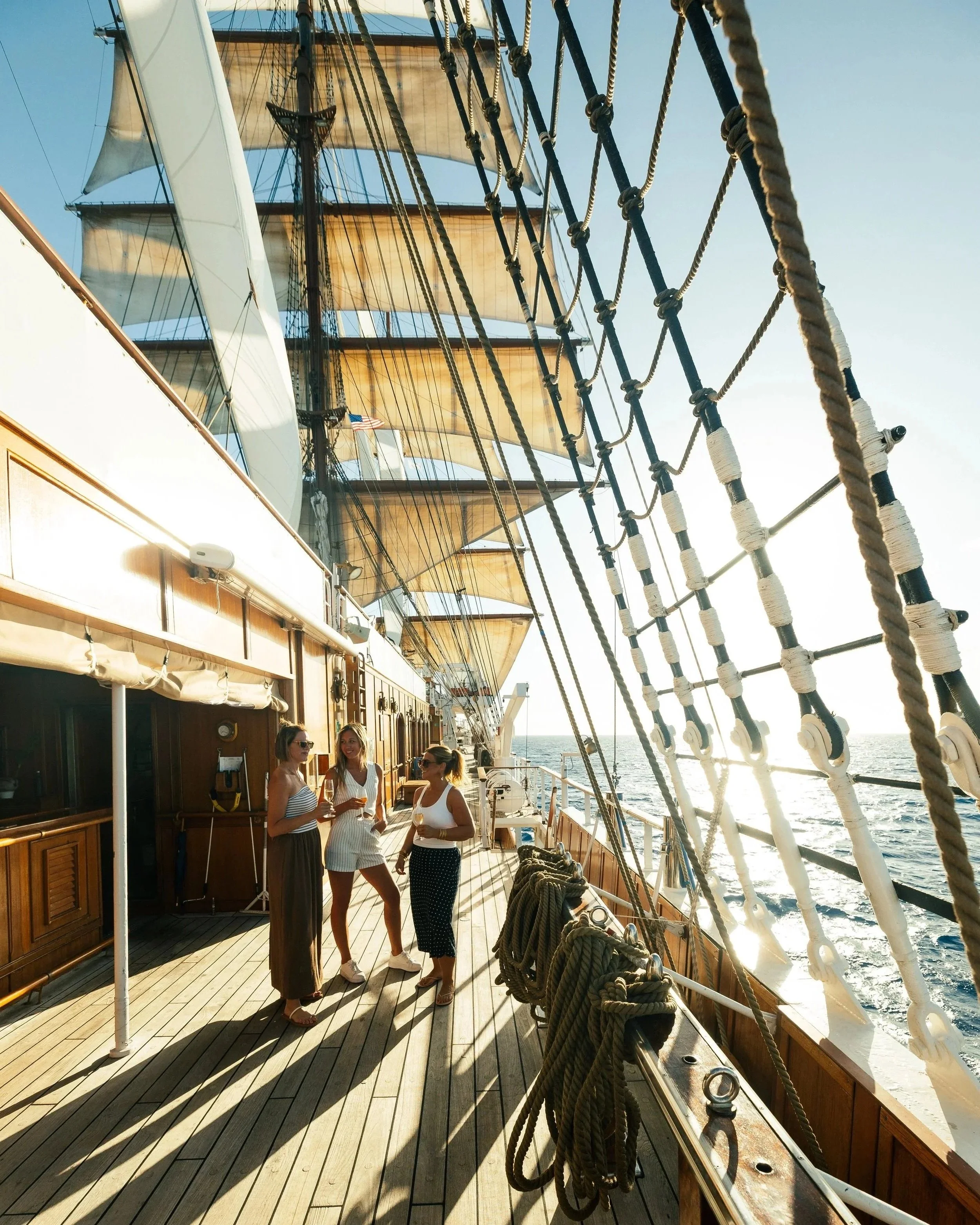
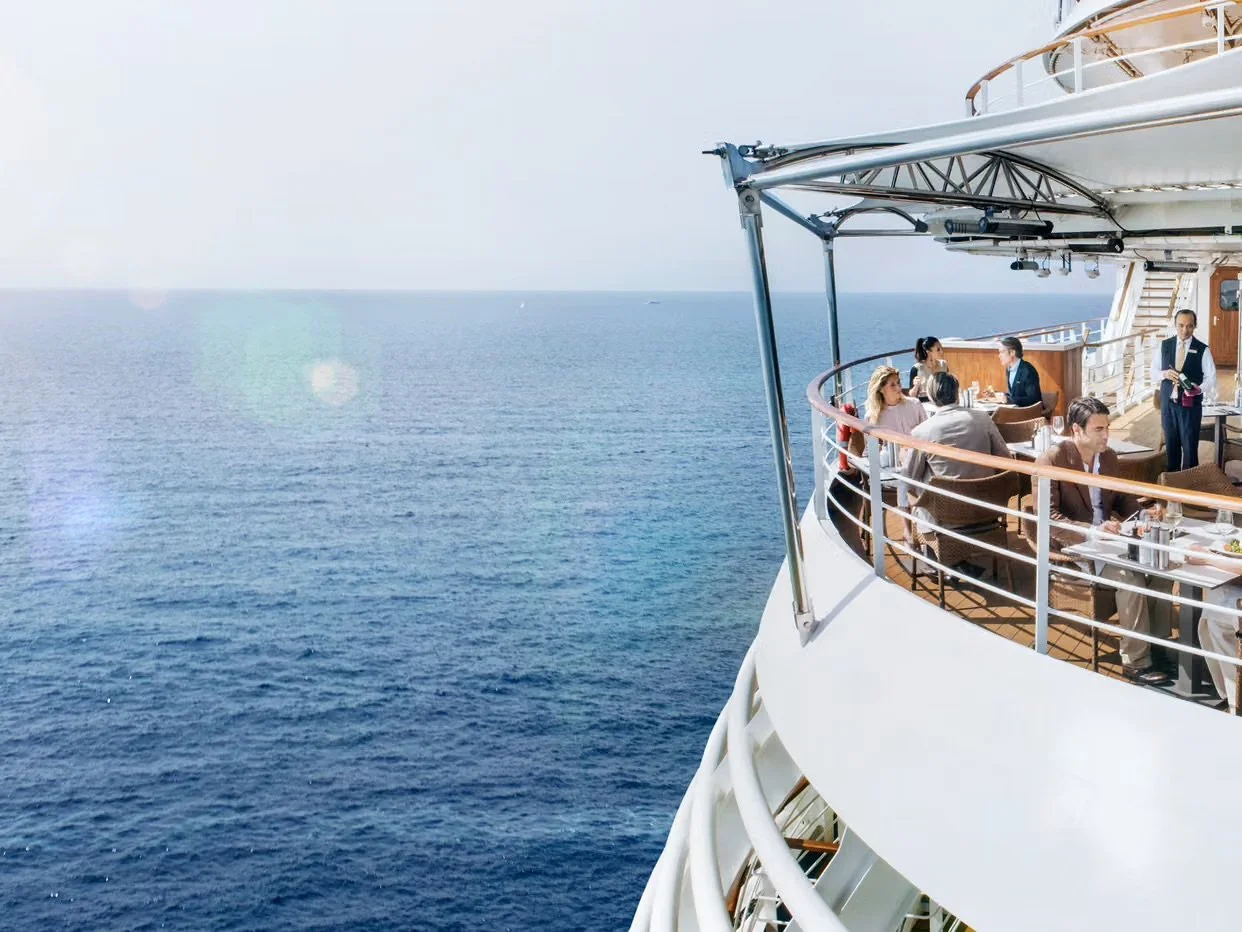
Rewarding top performers with an experience aboard SeaCloud’s luxurious, wind‑powered yacht.
A hotel is a place you stay. A ship is a place that happens.
Incentive travel is about the relationships people build as much as the destinations they visit. Shared meals, onboard entertainment and excursions give attendees natural opportunities to connect, particularly colleagues who don't often work side by side. The reward becomes something they experience together, creating memories that last beyond the trip.
One Contract, One Team, One Timeline
Ask any planner what keeps them up at night, and vendors are likely to make the list. “From the planning chair, the biggest gift is simplicity,” Jennifer says.
A land-based program can mean coordinating separate contracts and timelines for the hotel, catering, audiovisual production, transportation, and off-site venues. A cruise brings many of those elements under one roof, with accommodations, dining, entertainment and onboard operations managed through the ship. Shore excursions and off-ship experiences still require coordination, but fewer moving parts can make planning more manageable. And for the planners already balancing competing priorities, that simplicity can be a significant advantage.
Bundled Pricing Makes Budgeting More Predictable
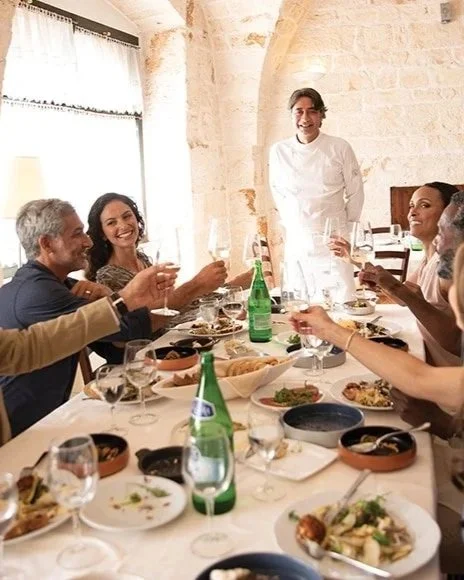
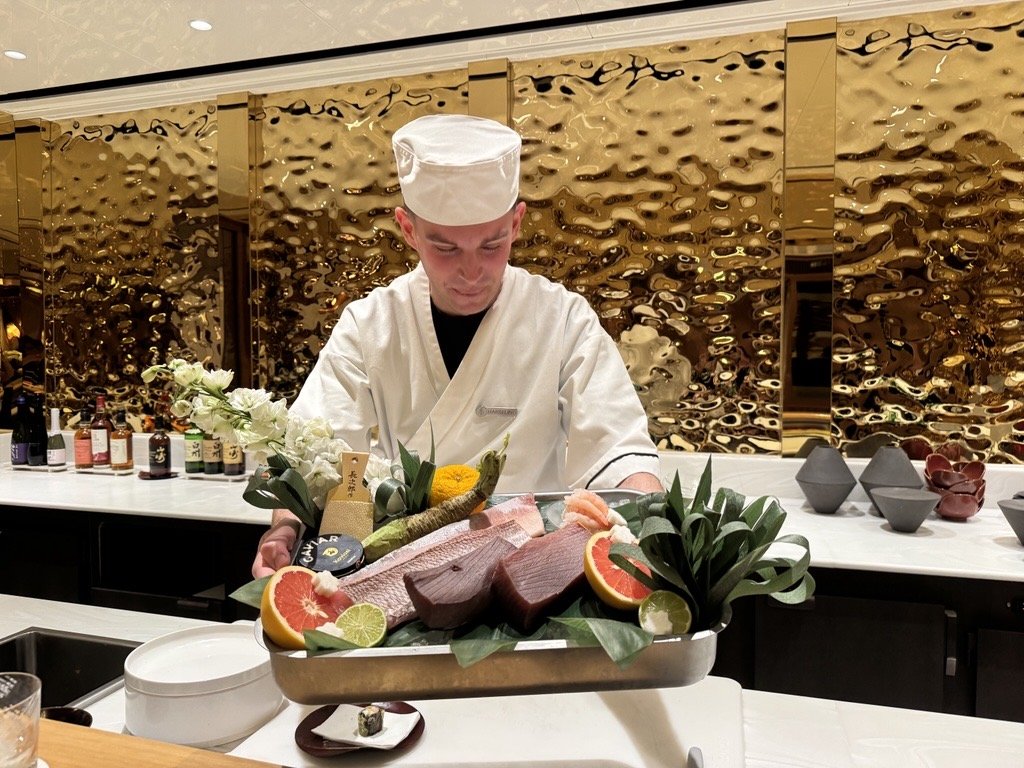
Colleagues enjoying a chef-led dinner in port.
Many corporate incentive programs need financial approval well before every detail is finalized. Cruise pricing can help make those early conversations more straightforward.
Accommodations, meals, and many onboard amenities are generally included in the cruise fare, while excursions, beverages, gratuities, Wi-Fi, and meeting arrangements may involve additional costs, depending on the sailing and package. Compared with a land-based program built from multiple vendors, that structure can make it easier to establish a working budget.
“When a client can see the full cost up front, planning gets calmer, and approvals get faster,” Jennifer says.
The goal is to create an experience that feels generous without losing sight of the budget. Entertainment, dining, and activities can deliver a strong sense of value, while careful planning helps prevent unexpected expenses.
Sea Days and Port Days Serve Different Purposes
Great programs at sea don't happen by accident. They're designed around the ship's itinerary.
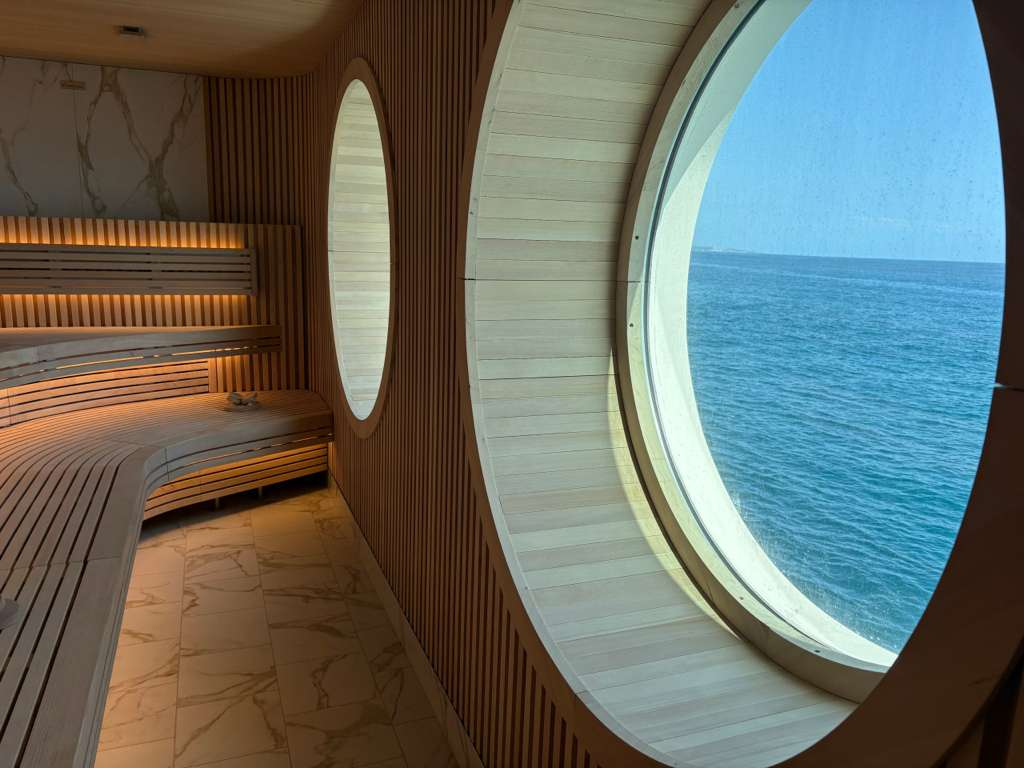
Between functions, nothing beats a rejuvenating reset in Four Seasons Yacht’s Spa
Sea days can be ideal for general sessions, smaller meetings, and evening celebrations, using the ship's available meeting rooms and private dining venues. Port days offer opportunities to explore a destination, enjoy a group excursion or discover somewhere new.
A well-planned rhythm might put business on the agenda in the morning, then leave afternoons and evenings open for excursions and onboard experiences. The balance depends on the program's objectives, but the principle is simple: business gets done without letting meetings overshadow the reward.
After all, nobody traveled that far to spend the entire trip in a windowless room.
The Logistics Every Planner Must Respect
A ship simplifies many aspects of group travel, but Jennifer considers these operating principles to be paramount:
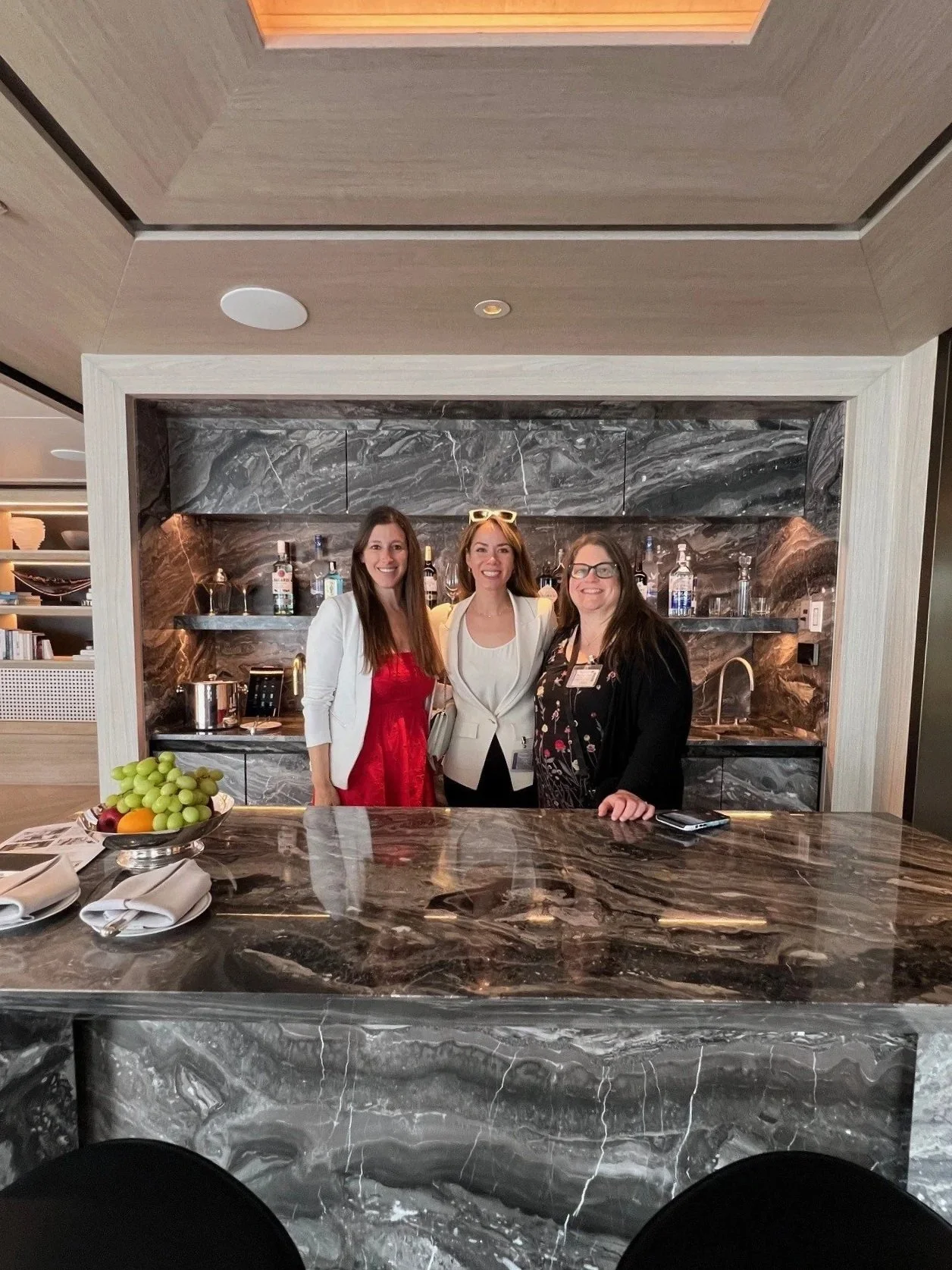
Jennifer Kijewski and Tracy Bettencourt touring Regent Seven Sea’s Grandeur
Build in an arrival buffer. Ships depart on schedule, and late-arriving guests risk missing the sailing altogether. Cadence recommends arriving the day before departure and staying near the port. That extra night can help protect the investment in the entire program.
Manage air as part of the program. When attendees arrange their own flights, planners have less control over arrival times and potential disruptions. Cadence has encountered travelers using AI flight searches and booking itineraries that take them to the wrong city, airport, or port. Once the ship has sailed, catching up may be difficult or impossible. Centralized air management helps coordinate arrivals and gives planners greater oversight.
Plan early and confirm everything. Meeting equipment, group arrangements, and supplies must be accounted for before departure, and last-minute requests can be difficult to accommodate. Confirm Wi-Fi and bandwidth requirements for live sessions, and reserve shore excursions well in advance.
Or, as Jennifer puts it: “If it's not on the list, it's not on the ship!”
Today's Cruise Options Offer More Ways to Deliver the Wow
The idea that cruising offers one kind of ship or one kind of experience no longer reflects the range of options available. Ships vary widely in size, dining, accommodations, entertainment, and onboard amenities, giving planners room to match the experience to the audience and budget.
That flexibility matters when a program includes executives, top performers and their guests. The right sailing can give attendees a shared experience while still offering choices in how they spend their time, from active excursions to quiet afternoons onboard.
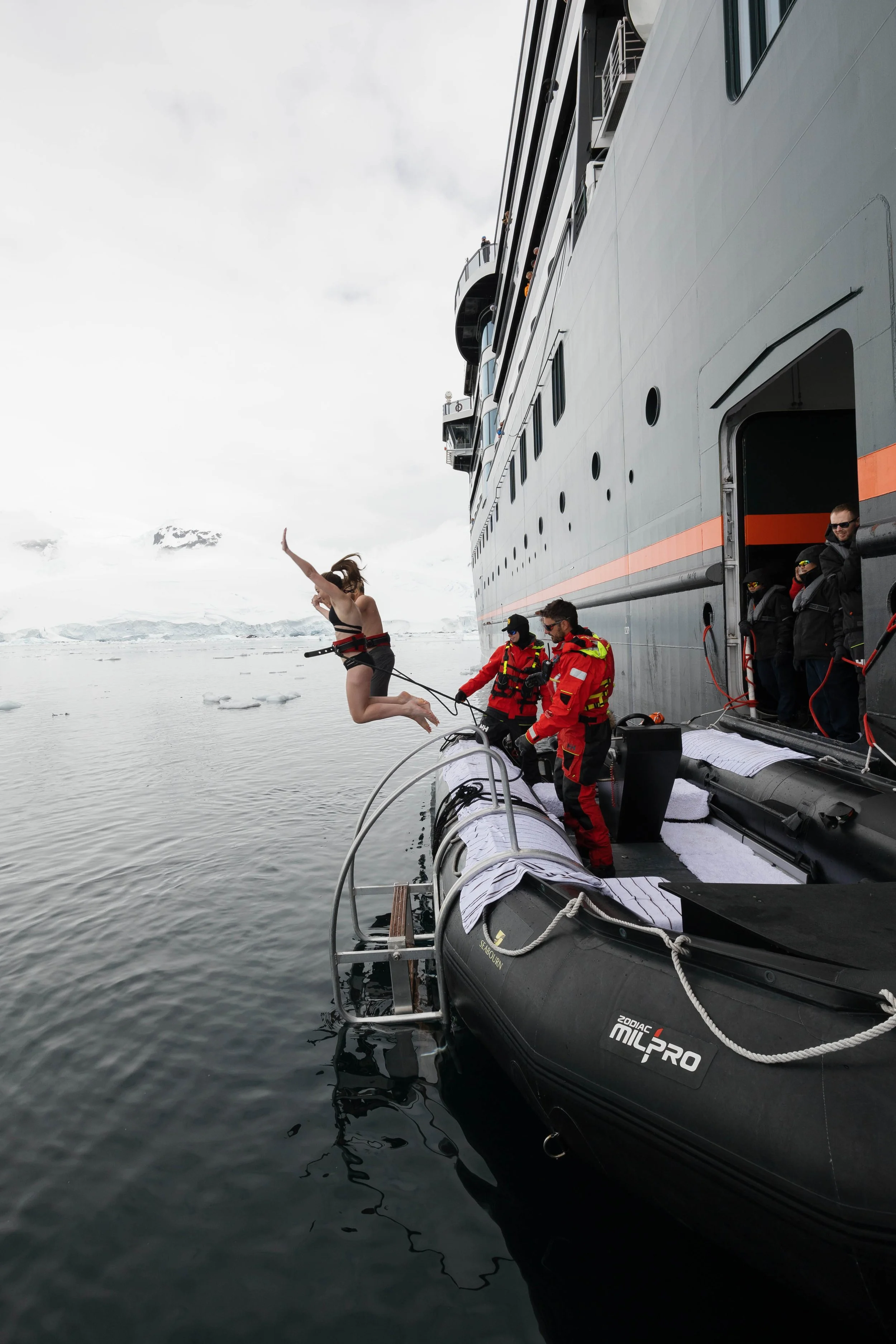
And increasingly, planners are looking beyond the standard itinerary for signature moments: a memorable arrival, a sunset sail-away, a private gathering, or a destination that feels genuinely special.
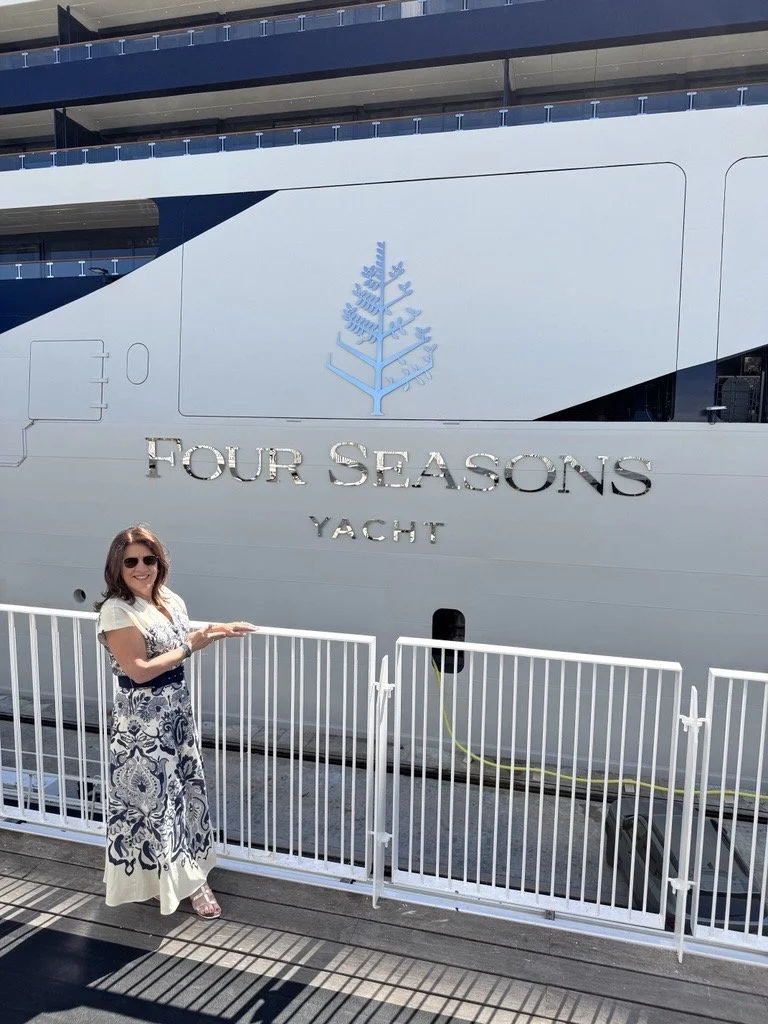
Cadence CEO and founder, Wendy Burk, boarding for Four Seasons Yacht’s maiden voyage.
That desire for more personal, purposeful experiences extends beyond incentive travel. In her recent Cadence article, Executive Retreat Trends: What Leaders Want Now, Ashley Case, Sr. Director of Meetings + Incentives Operations at Cadence, explores the evolving expectations around executive retreats and the value of experiences designed around a group's specific goals. The same thinking applies at sea: the setting matters, but what makes a program resonate is how well it brings people together and gives the experience meaning.
Cadence CEO and founder Wendy Burk explores another side of the conversation in her Luxury Travel Report article on how luxury yachts are changing cruising. Wendy had never considered herself a cruise person, but experiencing luxury yacht travel changed her perspective. Smaller, more intimate vessels offer a different way to experience life at sea, with a more personalized feel that can appeal even to travelers who wouldn't ordinarily choose a cruise. For incentive planners, that's an important distinction: the right experience might win over attendees who would never have considered a traditional cruise in the first place.
Whether the priority is an intimate leadership gathering or a larger top-performer celebration, the opportunity is to find the experience that fits the people being rewarded.
Choosing the Right Ship Starts With Your Goals
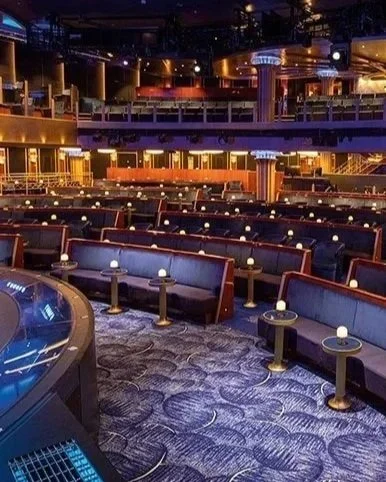
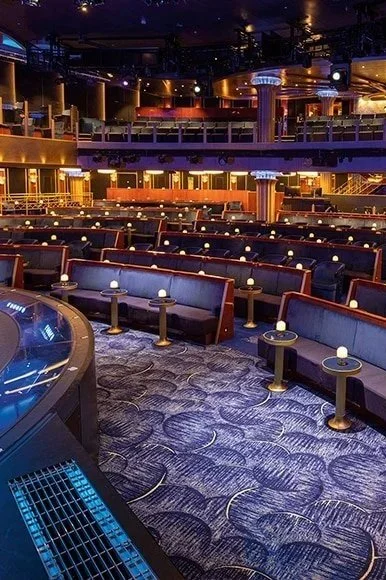
Fabulous event space aboard Regent Seven Seas
The best ship isn't necessarily the biggest, newest, or most luxurious. It's the one that supports what the organization wants the program to accomplish. The right answer is always the one that serves the client's goals, not the flashiest brochure.
A few considerations can help narrow the field:
Meeting requirements: Look for suitable facilities, audiovisual capabilities, and spaces that can transition from working sessions to celebrations.
Group size: Smaller vessels may suit executive groups seeking an intimate atmosphere, while larger ships can offer more variety for diverse audiences.
Itinerary: Multiple ports can create a varied experience without requiring attendees to change hotels. Balance exploration with time to enjoy the ship.
Sustainability: Ask cruise lines about their environmental initiatives and the practices relevant to your program.
“The right answer is always the one that serves the client’s goals, not the flashiest brochure.”
For mid-sized corporate and association groups, Princess Cruises is one option worth considering. Its fleet serves destinations including Alaska, the Caribbean, and Europe, and select ships offer conference facilities and group amenities. MedallionClass technology also provides features designed to streamline parts of the guest experience. The specific ship, sailing, and inclusions should always be evaluated against the group's needs.
A Cruise Isn't the Compromise. It's Another Way to Deliver the Reward.
The biggest misconception about cruise incentives is that cruising is simply the budget alternative to a resort. In reality, it offers a different combination of advantages: a destination that moves with the group, onboard entertainment, bundled accommodations, and dining, and opportunities to explore multiple places without changing hotels.
The value depends on the itinerary, inclusions, and the group's priorities. But for the right program, bringing those elements together can simplify planning while creating a memorable experience for attendees.
The best results still come down to thoughtful design. Choose a ship that fits the audience, build the agenda around the sailing, coordinate air travel carefully, and plan the details before departure. Then give attendees room to enjoy the experience they've earned.