



Beyond the Agenda: Rethinking the Executive Retreat

Personalized wellness programming at SHA Wellness Clinic.
For years, the corporate retreat followed a familiar script: pack the agenda, fill every hour, and make the most of the time everyone is together. Early breakfast. Full day of meetings. Team activity. Elaborate dinner. Drinks. Maybe one more event before bed. That approach is changing.
Ashley Case, Sr. Director of Meetings + Incentives Operations at Cadence, is seeing the shift firsthand. Increasingly, wellness isn't being treated as another activity to add to the agenda. It's becoming part of how executive meetings are designed from the start.
“In general, the biggest shift I've seen is that wellness is no longer a standalone agenda item. It's become a core consideration in meeting design”, Case says. And the reason goes beyond simply making an agenda feel more relaxed. "When attendees feel rested, healthy, and energized, they're more engaged and get greater value from the experience."
And that means something surprisingly simple: more room to breathe.
From Full Agendas to Intentional Ones
Senior executives have demanding schedules, and many are disciplined about the routines that help them perform at their best. Sleep, exercise, healthy habits, and personal downtime are increasingly viewed as essential to productivity and decision-making rather than luxuries to sacrifice while traveling. Meeting planners are responding.
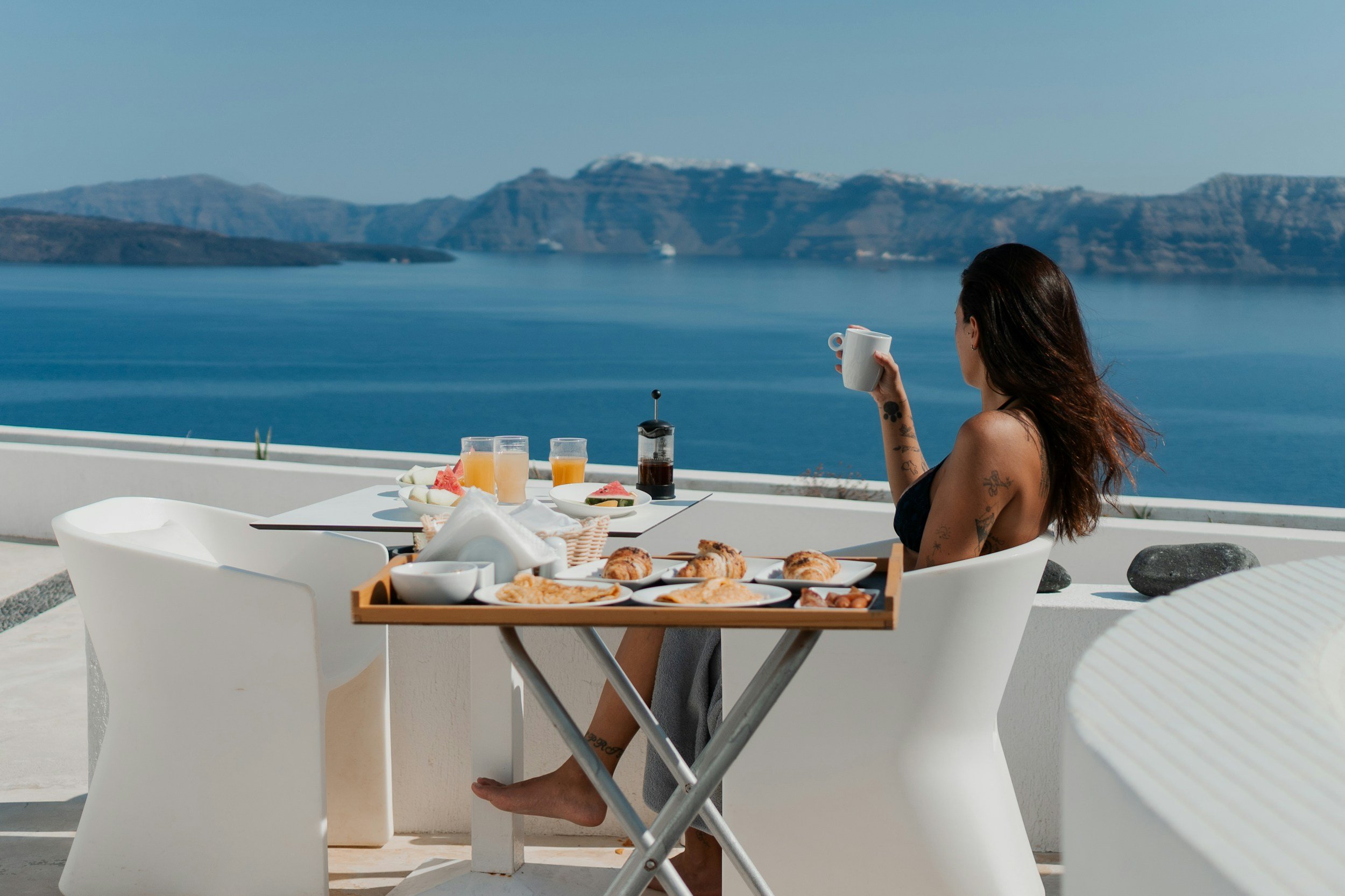
Case is seeing more intentional white space built into executive programs, particularly between daytime meetings and evening events. Breakfast functions may be more flexible or optional, giving attendees the freedom to prioritize sleep, exercise, or personal time. Evening programming is getting a closer look, too.
Rather than automatically filling the night with another activity or event, planners are becoming more selective about what earns a place on the schedule. As Case puts it, organizations are "focusing on quality over quantity."
It's a subtle change, but an important one: the goal is shifting from filling the schedule to making the schedule meaningful.
Choice Is Part of the Experience
That philosophy extends to participation.
Executives are increasingly comfortable opting out of activities that don't fit their needs or priorities. One attendee may want to join a group excursion or networking event. Another may choose a workout, some quiet time, or a focused conversation with a colleague.
"There is much less pressure today to participate in every activity," Case says. Senior leaders are becoming more intentional about how they spend their time, choosing the experiences that provide the most value for them, whether that's networking, exercise, rest, or focused business discussions.
That doesn't necessarily mean they're less engaged. It means they're being more intentional about where they invest their time. And giving people that flexibility can create something that no planner can completely manufacture: organic connection.
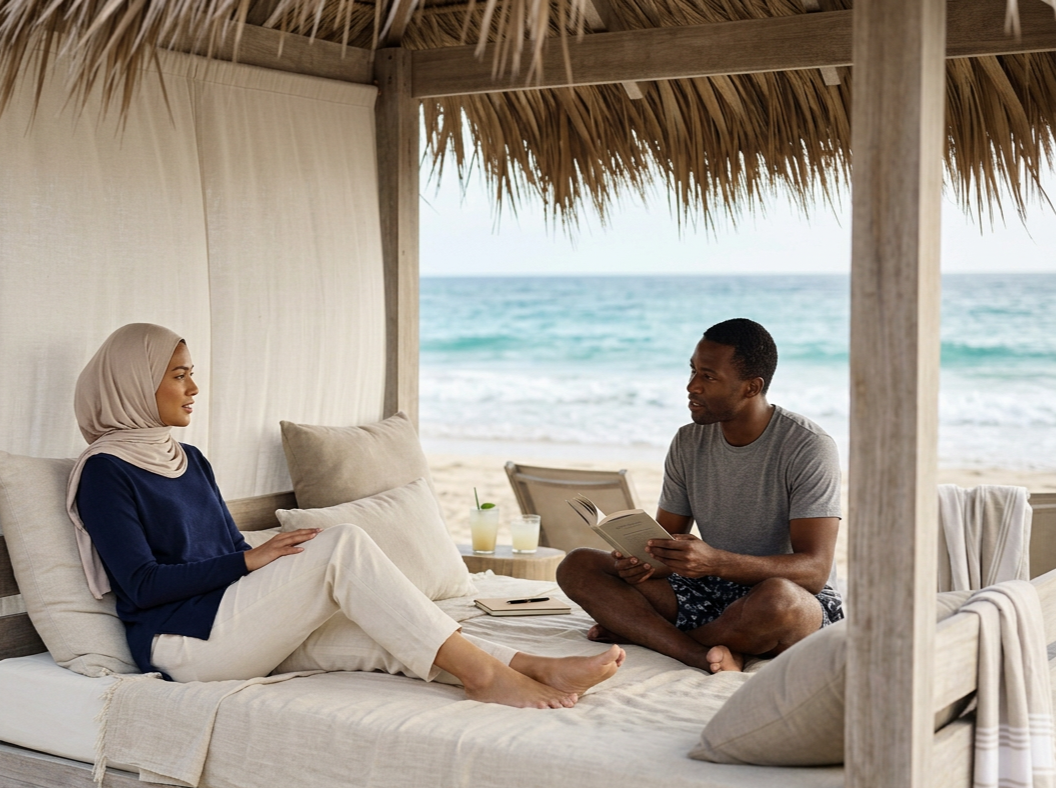
“Some of the most meaningful connections happen organically.”
"Some of the most meaningful connections happen organically," Case says.
Some of the most valuable conversations at a retreat happen in the spaces between scheduled activities. A coffee before the next session. A walk back to the hotel. An unplanned conversation that continues long after a meeting officially ends.
Unstructured time creates room for those moments to happen, while also giving attendees an opportunity to recharge.
Wellness, Served Differently
The evolution is showing up at the table, too.

Creative mocktails and non-alcoholic options have moved from a nice-to-have toward an expectation, while healthier menu choices, lighter meals, and wellness-focused offerings are becoming more common. The point isn't that executives have stopped enjoying a great dinner. It's that they're looking for choices that support the habits and priorities they maintain at home.
The same idea is influencing the experiences planners build into retreats. Case is seeing increased interest in expert-led wellness programming, personal growth, and experiences that offer something attendees might not easily pursue on their own.
At Four Seasons Hotel Westlake Village, for example, executive groups can incorporate experiences through the property's Center for Health & Wellbeing, including healthy cooking classes and presentations from sleep specialists and experts in chronic disease prevention.
These experiences can offer something that lasts beyond the meeting itself: new knowledge, personalized insights, and practical tools attendees can take home and incorporate into their everyday lives.
A Different Definition of Luxury
Perhaps the most interesting shift is happening in how luxury itself is being defined.
Premium hotels, beautiful surroundings, and exceptional amenities still matter. But for today's C-suite traveler, luxury increasingly goes beyond indulgence. "Luxury is increasingly defined by meaningful experiences rather than pure indulgence," Case says. Executives are looking for opportunities that support personal growth, well-being, and experiences they would not typically pursue on their own.
Adventure-based activities, exclusive access, and expert-led wellness programming are becoming highly valued components of executive events. Sometimes, the luxury is an extraordinary experience. Sometimes, it's access to an expert or an opportunity to learn something new. And sometimes, it's simply having an hour with nothing on the calendar.
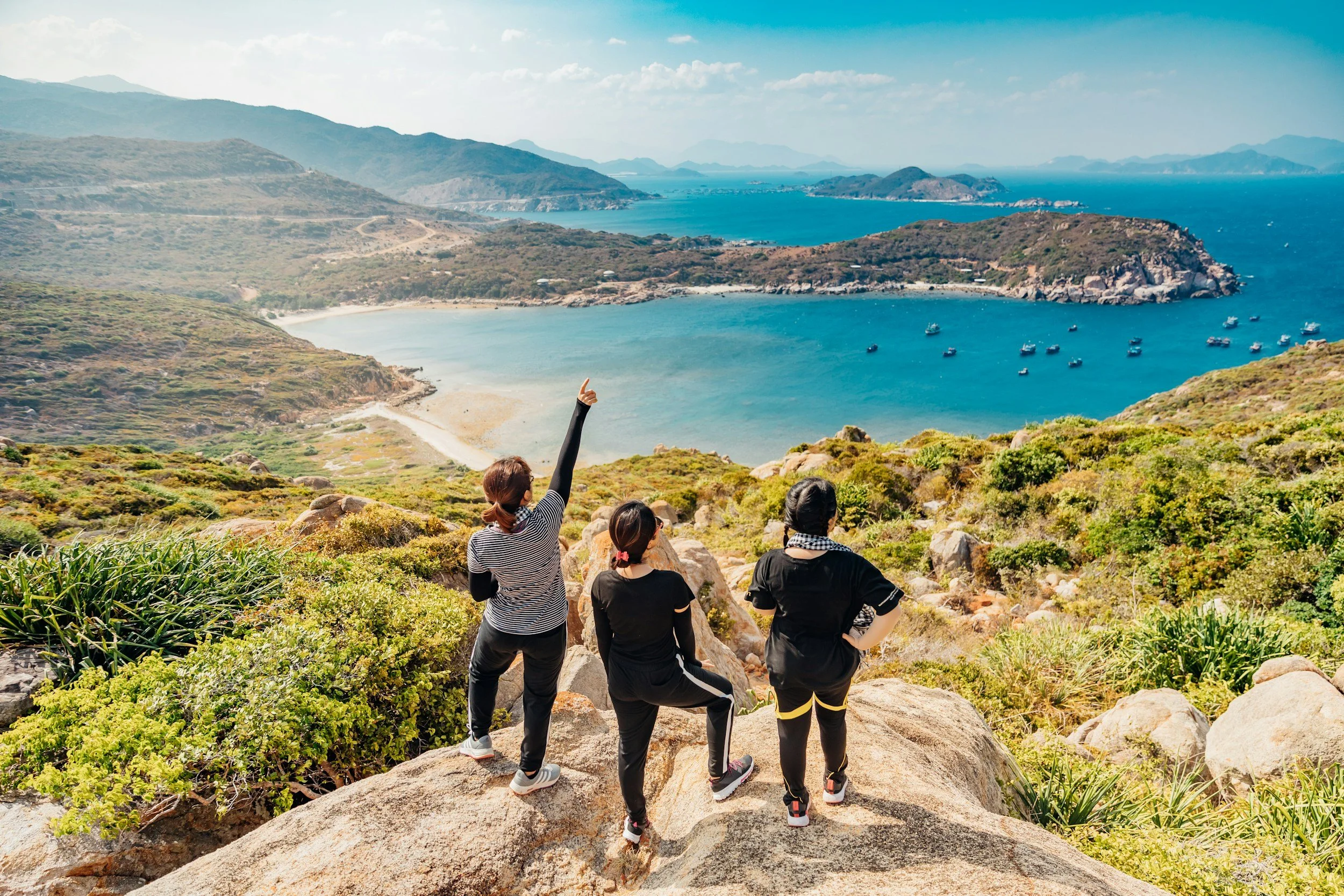
“The focus has shifted from filling agendas to creating impact.”
Flexibility, privacy, recovery time, and unstructured hours can be just as valuable as another lavish dinner or scheduled activity.
Because today's executives are also becoming less willing to spend their time on programming that doesn't earn its place. Leaders expect sessions, speakers, and activities to have a clear purpose and meaningful connection to the objectives of the meeting. Repetitive content, overly promotional messaging, and activities that simply fill time are increasingly out of step with those expectations. For planners, that raises the bar.
The most thoughtful retreats aren't necessarily the ones with the fullest schedules. They're the ones that balance purposeful programming with the freedom to step away, recharge, connect, and choose. As Case puts it, "The focus has shifted from filling agendas to creating impact."
The modern executive retreat isn't necessarily about doing more. It's about making the time together matter.