



What You Need to Nail When Planning an Incentive Travel Program
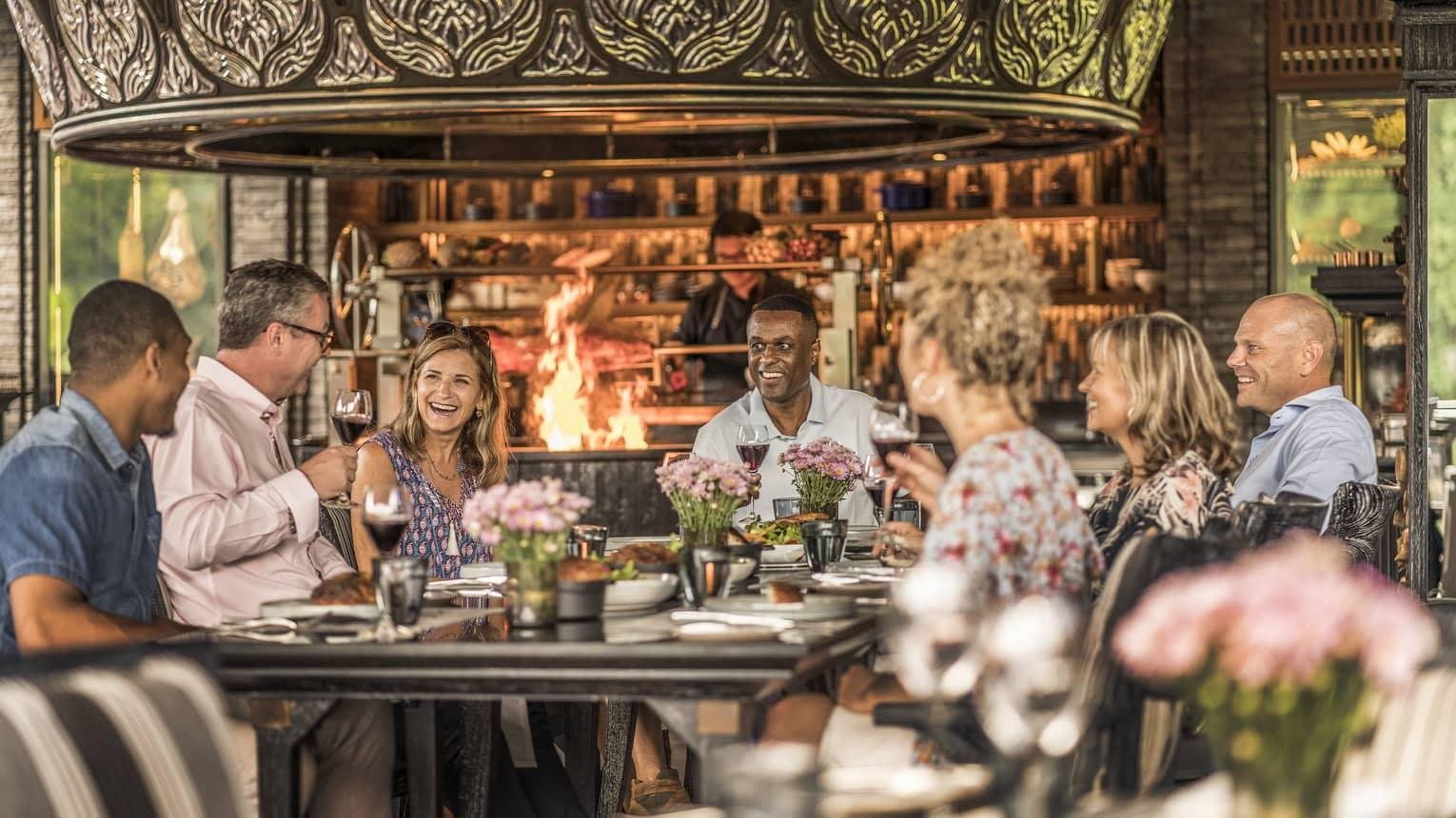
Photo courtesy of Four Seasons Chiang Mai
Most people talk about incentive travel all wrong. They focus on the destination, the dinners, the photo ops. But a program that actually moves the needle takes more than a pretty resort and a packed itinerary. It takes intention. It takes structure. And it takes a clear understanding of why you're doing it in the first place.
So, let's get into what matters. Here's what you need to nail when planning an incentive travel program, and why this kind of reward isn't going anywhere.
Start With the Business Case, Not the Beach
Incentive travel is no longer a nice-to-have. It's a strategic tool, and the numbers back that up. According to research cited in Why Companies Are Investing in Corporate Incentive Travel, the corporate incentive travel market is expected to grow roughly 11% over the next seven years. That's not a trend. That's a shift in how companies think about motivation and retention.
The payoff shows up where it counts. Among employees who win incentive travel, 89% say they're more likely to stay with their employer, 89% report stronger loyalty, and 93% are motivated to qualify again. Those are the kinds of results that justify the investment, and they're hard to replicate with a spreadsheet bonus.
This is where ROE (Return on Experience) comes in. As our own Ashley Case, Senior Director of Meetings + Incentives Operations, highlighted in a recent Beyond ROI article, ROE related to events includes intangible or value-based benefits like employee engagement, knowledge or skill development, brand reputation, social or environmental impact and relationship building. Return on investment is easy to count. Return on experience is what people actually remember.
Why Travel Beats Cash, for Everyone
Here's a question worth asking before you write that bonus check: will anyone remember it next year?
Cash gets absorbed. It pays a bill, disappears into a bank account, and rarely sticks in someone's memory. Travel does the opposite. It creates a story people tell for years. And the data is clear. Travel outperforms cash as an incentive across every age group.
That last part matters more than it sounds. There's a common myth that younger employees only want money. They don't. What they want is the same thing most people want: time that feels meaningful, experiences worth sharing, and recognition that feels personal. A wire transfer can't do that. A few days in Japan or Portugal can.
Designing for a Multi-Generational Workforce
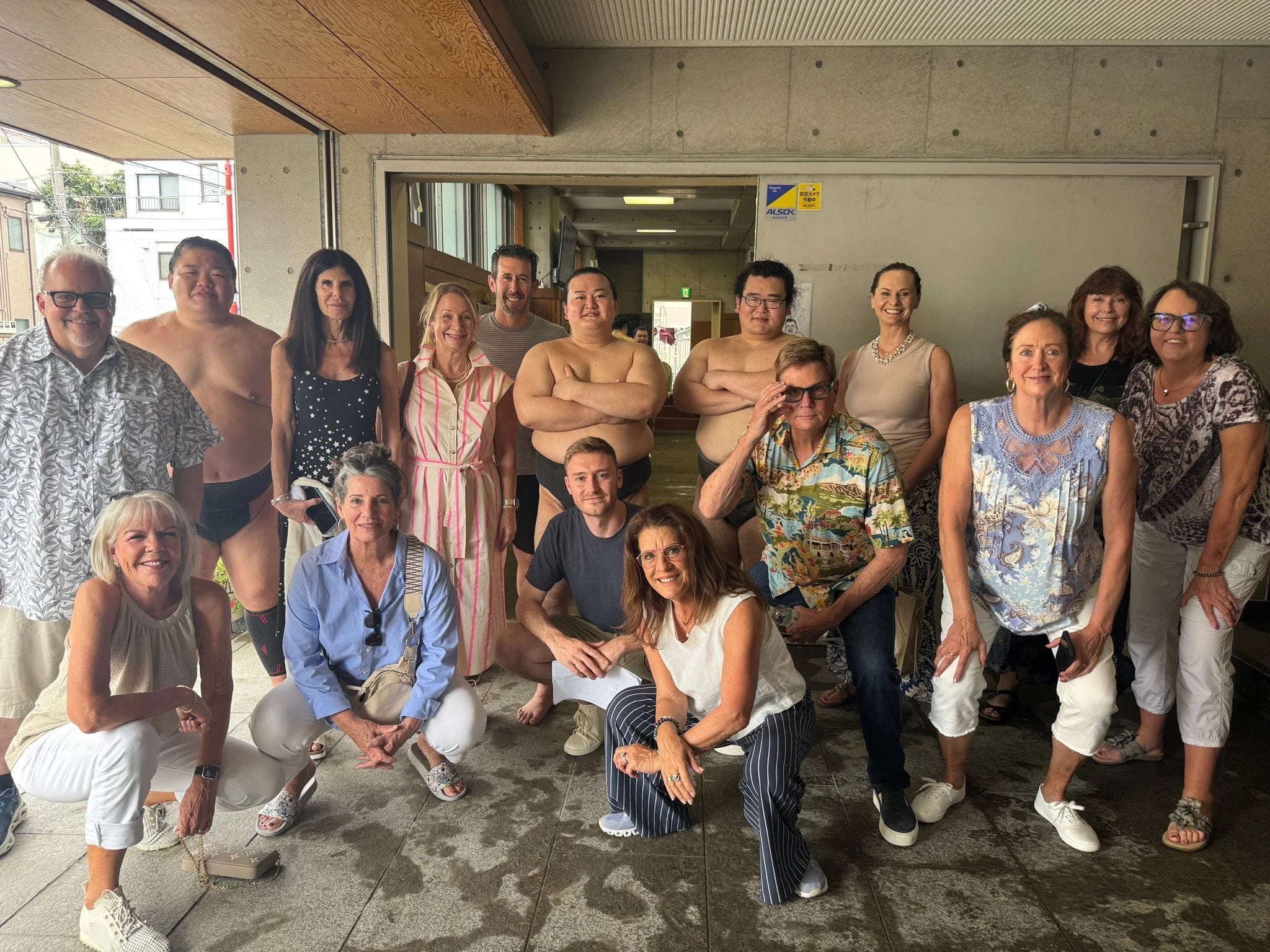
Private sumo-wrestling session in Japan with Cadence’s Elite, top-performing travel advisors
This is the tricky part. Your winners won't be one type of person. They'll span generations, fitness levels, interests, and backgrounds. A program built for one group will leave the others out.
The fix is flexibility. As Ashley noted in BizBash's What's Working Now in Incentive Travel, "Time is our most valuable asset, and if [this trip] is a reward, people want some freedom to use their time as they please. It's about making sure you have enough gaps in the itinerary, and giving them options to curate their own experience, whether that's cultural, wellness-focused, creative, or anything in between."
A few principles to build around:
Leave white space. Free time jumped up the list of most-valued activities for a reason. People want room to breathe, not a schedule that runs them ragged.
Offer choices, not mandates. Pair group dining (the most appreciated activity year after year) with optional excursions so people can pick their own path.
Personalize the details. Monogrammed gifts, build-your-own food stations, a custom hat fitting. Small touches make a big group feel seen.
When you give people options, you stop planning for an average attendee who doesn't exist. You plan for the actual humans in the room.



Aim Higher Than "Exceeding Expectations"
Meeting expectations isn't the goal anymore. Honestly, exceeding them isn't either.
As leadership coach Neen James said at our recent annual conference: exceeding expectations is the bare minimum. The real work is elevating them. It's about designing moments people didn't know to ask for. She calls it being an "experience architect," and the idea applies directly to incentive travel.
What does that look like in practice? It's the private museum tour nobody expected. The cooking experience in a local family's home instead of a sterile commercial kitchen. The volunteer project that lets the group leave a destination better than they found it. These are the moments that turn a trip into a story.
It also means thinking about the moments of truth, in the points where a plan could go sideways. The bus that doesn't show. The dietary need that wasn't flagged. Great experience design isn't just about the highs. It's about having a human ready to catch the lows before anyone notices.
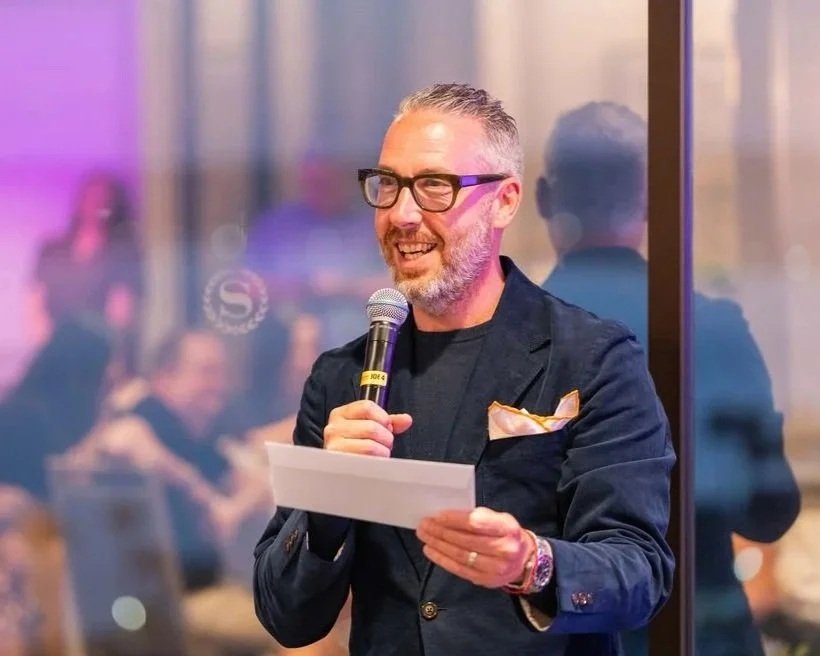
“Engagement looks different on everyone. A meaningful incentive travel program, one that inspires as much as it rewards, has to focus on creating personal moments of connection for each individual attendee. Get it right, and you create the kind of employees and clients who refuse to go elsewhere.”
- John Knob, Cadence Vice President of Culture + Community
These Principles in Action
We don't just plan these programs. We live by the same playbook for our own events.
Take Cadence Connects, our annual gathering, now in its 11th year, that brings together more than 200 advisors and partners. The 2026 event at Four Seasons Westlake Village ran on the theme "Ticket to Thrive," and every choice reflected the principles above.

There was structure with more than 40 pre-scheduled one-on-one meetings. There was white space with dedicated areas for informal networking and wellness. And there was a direct answer to the biggest problem with most conferences: the inspiration fades the moment you get home.
To fight that, the team introduced a "passport" tool to help attendees set specific goals and track ideas to act on afterward. As John Knob, VP of Culture + Community, put it: “With incentive travel, what you’re after is a higher level of employee engagement. But engagement looks different on everyone. A meaningful incentive travel program, one that inspires as much as it rewards, has to focus on creating personal moments of connection for each individual attendee. Get it right, and you create the kind of employees and clients who refuse to go elsewhere.”
The theme of the week was execution over inspiration. Or, as keynote speaker Kim Guimaraes said: "Inspiration is everywhere. But execution is not." That's the whole game with incentive travel, too. Anyone can dream up a great trip. Pulling it off is the hard part.
Our Take
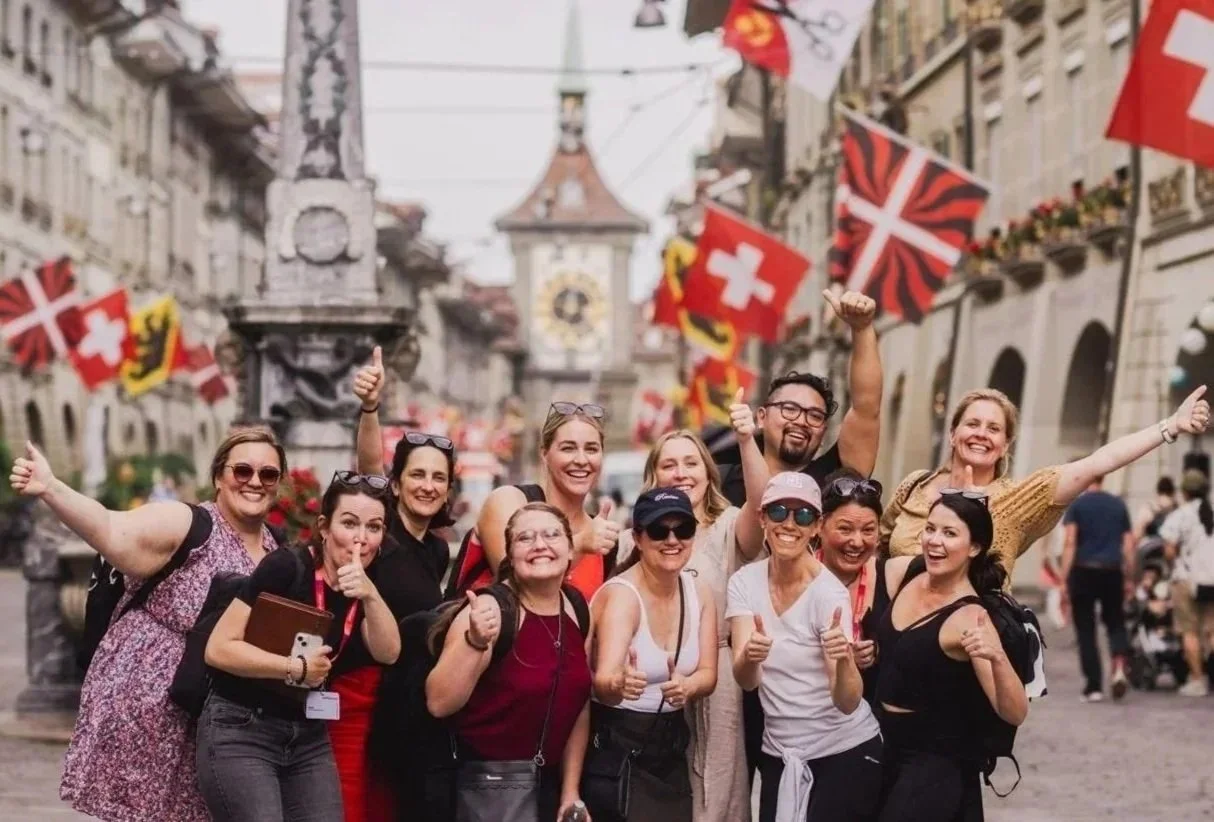
Cadence's Senior Sourcing Specialist, Halsey Resing, invited by the Switzerland Convention & Incentive Bureau to explore the country's top destinations.
We've been featured across industry media on this topic, and a clear throughline runs across all of it.
Beyond ROI makes the case that the true value of an event lives in engagement, not just the balance sheet. What's Working Now in Incentive Trips? shows how the best programs now balance leisure with networking, explore beyond the resort, and respect the local community. And Why Companies Are Investing in Corporate Incentive Travel confirms the bigger picture: this is a growing market built on experiential rewards, not transactional ones.
Here's our take. These aren't separate trends. They're the same idea showing up in different places. People want experiences that feel personal, time that feels their own, and recognition that proves they matter. That's true whether they are 25 or 60.
The mistake is treating incentive travel as a logistics exercise. It's not. It's an act of care, executed with precision. The destination gets people excited. The planning, the judgment, the backup plans, the human who answers the phone at 2 a.m.... that is what makes it work.
Incentive Travel Isn't Going Anywhere
Every major disruption of the last two decades has made travel more valuable, not less. Time with people. Disconnecting. Doing something that sticks. When you take that away, people only want it more.
That's why incentive travel keeps growing, and why it resonates across every generation in your workforce. Done right, it does more than reward performance. It builds loyalty, sparks stories, and gives people a reason to chase the goal again next year.
If you're planning a program, start with your "why." Build in flexibility. Design for the moments that matter and the ones that could go sideways. Get those things right, and the rest takes care of itself.